
Low Vision Rehabilitation
Supporting Independence, Function, and Quality of Life with Vision Loss
Low vision is when a person experiences permanent vision loss that cannot be fully corrected with glasses, contact lenses, medication, or surgery. While the eyes may no longer provide clear vision, the remaining sight can still be trained and used more effectively — and that’s where Low Vision Rehabilitation comes in.
What Is Low Vision Rehabilitation?
Low Vision Rehabilitation is a personalized program that helps individuals with visual impairment learn how to maximize their remaining vision and adapt to everyday challenges. The goal is not to restore lost vision, but to improve the functional use of available sight for tasks like reading, mobility, self-care, and communication.
Who Is It For
Low Vision Rehabilitation benefits individuals with permanent vision loss from conditions such as:
What Are The Goals
Why It Matters
Many people with low vision feel like they’ve “reached the end” of vision care — but rehabilitation offers a new beginning. With the right support and tools, individuals can regain a sense of control, comfort, and purpose in everyday life.
What Does It Involve
Low Vision Rehabilitation is comprehensive and multidisciplinary. It may include:
Functional Vision Assessment
A thorough evaluation of how you see in real-world conditions — such as reading, recognizing objects, or moving around safely.
Assistive Devices & Technology
- We introduce and train you on tools that make life easier.
- Handheld or stand magnifiers.
- Electronic magnification devices (CCTVs, screen readers).
- Special lighting systems.
- Large-print books and high-contrast materials.
- Text-to-speech software and mobile apps.
- Handheld or stand magnifiers.
- Electronic magnification devices (CCTVs, screen readers).
- Special lighting systems.
- Large-print books and high-contrast materials.
- Text-to-speech software and mobile apps.
Training In Adaptive Strategies
You’ll learn practical ways to modify how you approach tasks — such as using your better-seeing eye, increasing contrast, or improving your visual scanning techniques.
Home and Workplace Modifications
Guidance on improving lighting, organizing your space, and minimizing hazards to enhance independence and safety.
Emotional and Psychological Support
Yes, our therapies are completely safe, non-invasive, and tailored to a child’s developmental stage to ensure comfort, engagement, and long-term success.
Pediatric Low Vision Support
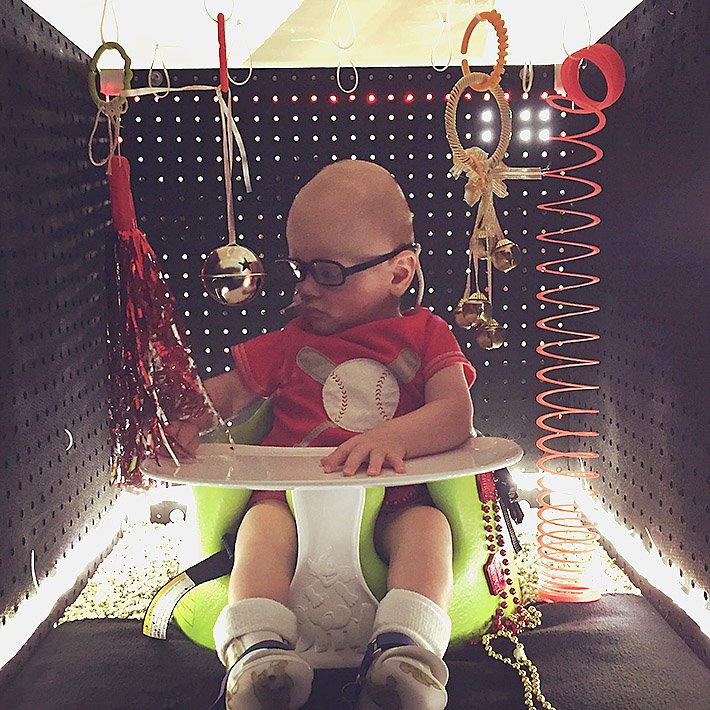
For children, the focus is on academic access, visual skill development, and using low vision aids in the classroom and at home.
